Perimenopause and Alcohol
Why It Can Trigger Hot Flashes, Anxiety, and 3 a.m. Wake-Ups
Perimenopause & Alcohol
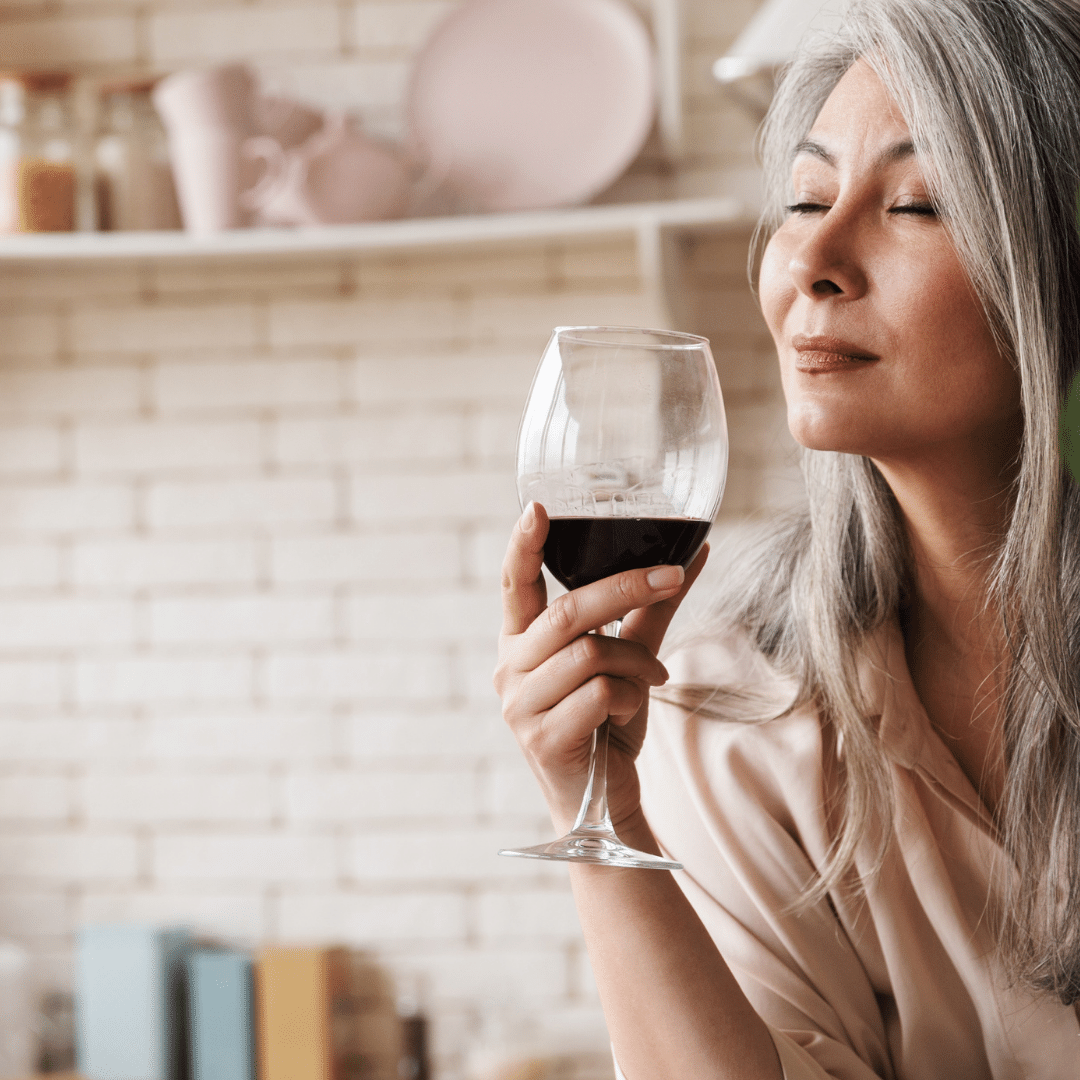
If you’ve noticed that one drink now leads to night sweats, hot flashes, poor sleep, or next-day anxiety, you’re not imagining it. During perimenopause and menopause, the brain’s systems for temperature regulation, sleep, and stress response can become more sensitive—and alcohol can amplify all three.
Alcohol can:
make hot flashes/night sweats more likely (or more intense)
fragment sleep (especially the second half of the night)
worsen anxiety/irritability the next day through sleep disruption and rebound stress hormones
What’s happening physiologically
1) Alcohol affects temperature regulation
Alcohol causes blood vessels to widen (vasodilation). That can create a “flush” feeling and can push the body toward temperature swings—from warm to sweaty—especially when your thermostat is already more sensitive in the menopause transition.
2) Alcohol changes your sleep architecture
You might fall asleep faster, but alcohol often leads to:
lighter sleep later in the night
more micro-awakenings
earlier waking (hello, 3 a.m.)
That’s because alcohol’s sedating effect wears off, and the brain shifts into a more alert state.
3) Rebound stress response (“hangxiety”)
As alcohol leaves your system, your body can increase stress hormones/adrenaline, which can feel like:
a racing mind
a pounding heart
anxiety on waking
irritability the next day
“What women Google” (answered)
“Is red wine worse than other alcohol?”
For some women, yes. Red wine (and other drinks) can contain compounds that may trigger flushing or headaches in sensitive people. But the biggest drivers are usually dose, timing, and sleep disruption.
“How much alcohol triggers symptoms?”
There’s no single number. Many women notice symptoms with smaller amounts than before, especially if alcohol is:
close to bedtime
consumed on an empty stomach
paired with poor sleep or high stress
“Why do I wake up at 3 a.m. after drinking?”
As sedation wears off, sleep becomes lighter and the stress response can rise—making mid-night waking more likely, sometimes with sweating or a racing heart.
“If I’m on HRT/MHT, can I still drink?”
Possibly, but alcohol can still worsen sleep, hot flashes, and mood symptoms. If you’re using hormone therapy, your plan should be individualized, and it’s still worth experimenting with timing/dose to see what your body tolerates now.
What you can do (realistic, evidence-based steps)
Try a 7-day experiment (best starting point)
This isn’t about “never.” It’s about data.
For one week:
Avoid alcohol within 3–4 hours of bedtime
Reduce the amount (even a small reduction helps)
Don’t drink on an empty stomach (pair with protein/fibre)
Add water between drinks
Track: night sweats/hot flashes, 3 a.m. waking, morning anxiety, energy.
If you want the “least disruptive” way to drink
earlier in the evening > late night
lower amount > higher amount
with food > empty stomach
occasional > nightly
cooler sleeping environment that night
If symptoms are frequent or affecting quality of life
If hot flashes/night sweats or insomnia are happening most nights—or mood symptoms feel unmanageable—there are effective options (lifestyle strategies, non-hormonal treatments, and hormone therapy when appropriate). You don’t have to self-manage alone.
A quick word on sugar cravings…
Alcohol can contribute to cravings through sleep disruption and blood sugar swings, plus the body’s tendency to seek quick energy when tired. If cravings spike after drinking, that’s another sign to test timing, dose, and frequency.
Join Us!
If this topic resonates, we’re hosting Menopause & Mocktails on April 23—a practical, evidence-based session on decoding symptoms, understanding HRT (and non-hormonal options), and choosing strategies that fit your body and goals—plus mocktails designed with sleep and cravings in mind.
Book Support
If you’re noticing that alcohol is making symptoms worse and you want a clear plan: